
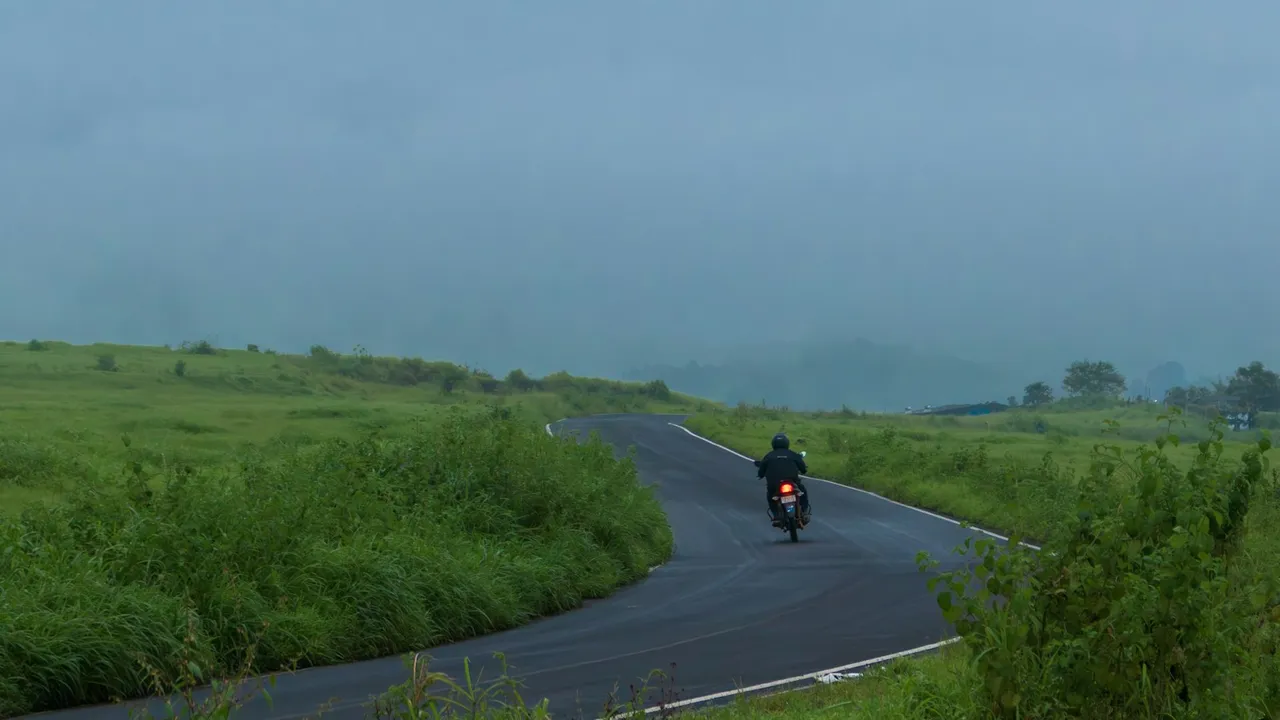
The most common serious motorcycle crash is a car turning left across a rider's path. A driver turning left generally must yield to oncoming traffic, so when they turn into an approaching motorcycle, the turning driver is frequently at fault — though the evidence always controls.
Why these crashes happen
Drivers often "look but fail to see" a motorcycle because it is narrower than a car, or they misjudge its speed and distance. The result is a left turn directly into the rider's path at an intersection or driveway.
Right of way and fault
A left-turning driver must yield to oncoming vehicles close enough to be a hazard. When they do not, they are commonly found at fault. But a rider who was speeding, ran a light, or was not visible may share responsibility under comparative fault.
| Factor | Points toward |
|---|---|
| Driver turned across oncoming rider | Driver fault (failure to yield) |
| Rider well over the speed limit | Shared fault |
| Rider ran a red or was hidden | Shared fault |
"I didn't see the motorcycle" is an explanation, not a defense to failing to yield.
Proving what happened
Intersection and business cameras, witness accounts, skid and debris patterns, and the point of impact help reconstruct a left-turn crash. For the bigger picture, see our motorcycle claims guide and motorcycle accidents page. A free consultation can help a rider understand fault in their crash.
Frequently Asked Questions
Who is at fault in a left-turn motorcycle crash?
Why do drivers hit motorcycles when turning left?
Is 'I didn't see the motorcycle' a defense?
Can the rider be partly at fault?
What evidence helps?
Are these crashes usually serious?
Does a green light settle fault?
How long do I have to file?
Have a question about your situation?
Our California personal injury attorneys offer free, confidential consultations.
Keep Reading
Related Articles
California Bicycle Accident Claims: Rights of Injured Cyclists
Cyclists have the same road rights as drivers in California. Learn how injury claims work when a driver hits a bicyclist.
Hit by a Car While Walking in California: Your Claim
Pedestrians have strong protections under California law. Here is what an injured pedestrian’s claim involves and how fault is decided.
California Motorcycle Helmet Law and Your Injury Claim
California requires helmets for every rider. Here is what the law says and how helmet use can affect a motorcycle injury claim.
California Motorcycle Accident Claims: What Riders Face
Motorcyclists face serious injuries and unfair bias after a crash. Here is what California riders should know about their claims.

The Evidence That Disappears After a Truck Crash
The records that prove a truck case are mostly electronic — and most of them are on retention schedules. Here is what exists, how long it typically survives, and what a preservation letter does.

Why Truck Accident Claims Are Bigger — and Harder to Win
Truck claims carry larger policies and larger injuries — and they are defended far more aggressively, often by investigators who reach the scene before the vehicles are moved. Here is what that asymmetry means for you.